Carpet Cleaning in Balham

Carpet Cleaning Balham should feel straightforward when you need a service that focuses on the condition of the fibres, the look of the room and the practical use of the space. Our work centres on cleaning carpets with methods chosen for their fabric type, soil level and pattern of wear, so the result is shaped around the surface in front of us rather than a one-size-fits-all routine. The aim is a cleaner, fresher floor covering with sensible care for the material underneath.
We handle routine carpet care, deeper restorative cleaning and related upholstery or rug work when those items need to be dealt with alongside the floor coverings. If you are comparing options, it helps to think about the difference between a quick refresh and a more thorough clean that reaches into embedded soil. Both can improve the way a room presents, but the right choice depends on use, stain history and the fibre construction.
For a clear starting point, you can request a quotation once you know which rooms, carpets or soft furnishings you want included. If you want to understand how the service is presented across the site, the main carpet cleaning page is a useful place to begin, while the pricing and quotes page explains how enquiries are handled. Please tell us what needs attention and we will take it from there.
How carpet cleaning is approached
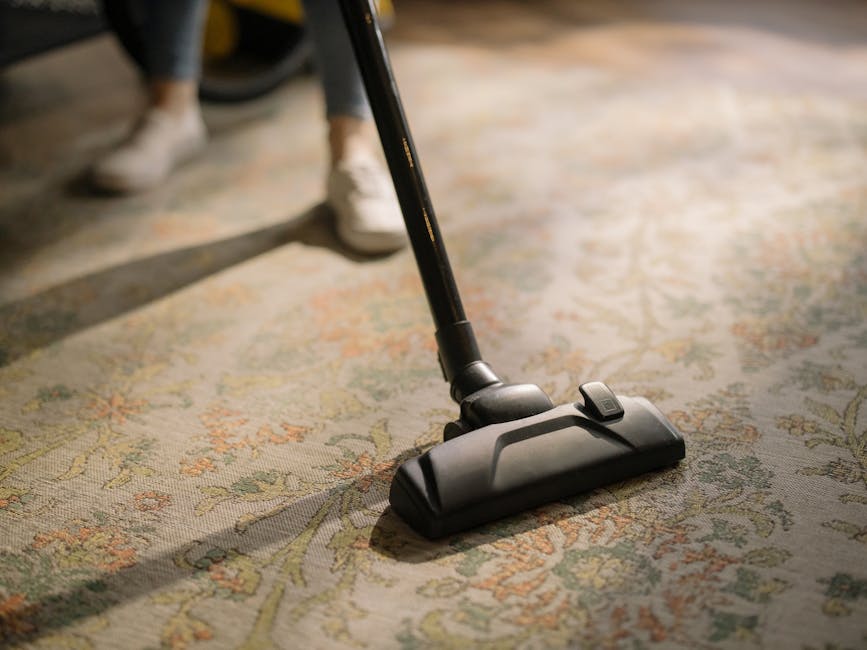
Good carpet cleaning starts with a close look at pile type, backing, previous treatment and the sort of marks the carpet has picked up. A hallway runner with tracked-in grit, for example, asks for different handling from a lounge carpet that mainly needs general soil removal and a lift in appearance. We keep the process practical: inspection, method selection, careful cleaning and a finish that leaves the carpet ready to settle back into normal use.
The cleaning method may vary according to the fibre and the condition of the carpet. Some carpets respond well to a fuller wash-style process, while others are better treated with a lower-moisture approach that supports the textile structure and drying time. The point is not to force every carpet through the same routine. It is to remove soiling effectively while respecting pile direction, texture and any previous repairs or wear patterns.
If you are comparing our carpet work with other cleaning services, the relevant pages show how each type of task is kept separate. You may also find it helpful to look at the broader cleaning company page for the overall service scope, then narrow your attention to the carpet-specific pages once you know what needs doing. That keeps the enquiry focused and makes it easier to match the job to the right treatment.
What a carpet clean can address

A carpet clean can deal with everyday dust, trapped grit, light spill marks and the dullness that builds up in busy rooms. It can also help lift the appearance of traffic lanes that appear darker than the surrounding pile. While no cleaning process can promise to reverse every mark or age-related change, a well-chosen treatment often makes a noticeable difference to the overall look and feel of the room. The carpet may appear brighter, softer underfoot and more even in colour.
There are useful limits to understand. Some stains have set deeply, some dyes have transferred permanently and some fibres hold distortion from furniture pressure or long-term wear. In those situations, careful cleaning is still worthwhile, but the outcome should be judged realistically. We avoid overpromising and instead focus on what can be improved safely, with attention to the carpet’s condition before any work begins.
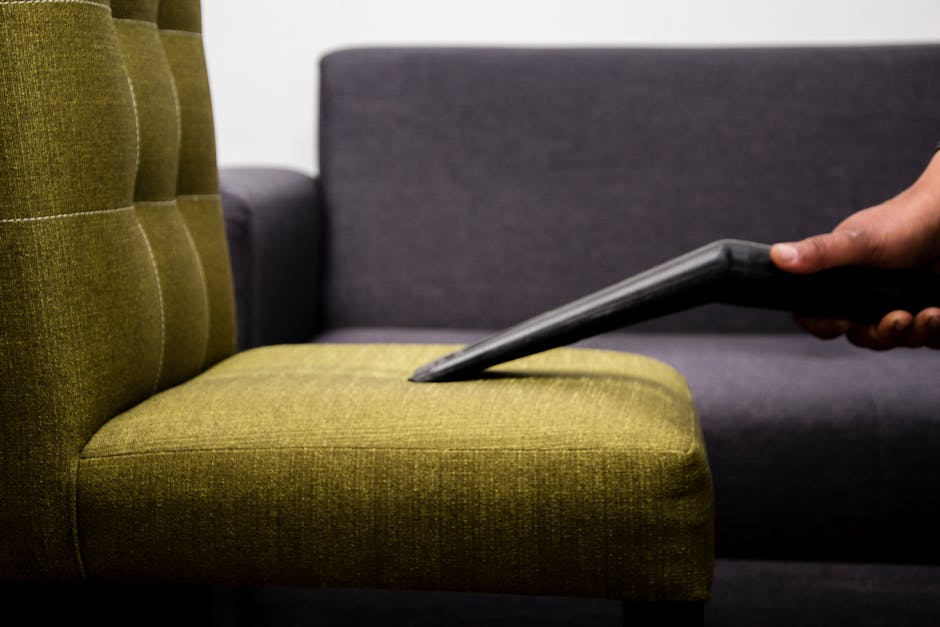
For households comparing different soft furnishing options, related services such as rug cleaning and sofa cleaning can be scheduled alongside carpet work when that makes practical sense. A combined visit can help keep the cleaning approach consistent across items that share similar fibre or soil concerns. If only the carpet needs attention, we keep the scope tight and work to that brief.
Rooms, fibres and everyday wear
Different rooms place different demands on carpet. A bedroom carpet may need a gentler refresh than a dining area carpet that sees food crumbs, chair movement and more frequent footfall. The same is true of fibres: wool, blended textiles and synthetic piles each react differently to moisture, agitation and detergent choice. We keep those distinctions in view so the work remains appropriate to the material rather than based on assumptions.
Common signs that cleaning is worth considering include flattening in the walk path, a grey or tired overall appearance, marks around doorways and loss of the original tone in places that should look lighter. In some homes, the main issue is not a single stain but a general lack of freshness. In others, one area of the carpet has become the visual focus and needs more careful treatment than the rest.
When you are ready to compare this with other internal services, the domestic cleaning page gives a broader view of general household cleaning, while the one-off cleaning page is helpful if the carpet clean is part of a wider reset. The purpose of those pages is not to replace carpet-specific work, but to help you decide whether you need a focused floor treatment or a broader clean.
Deep cleaning for more embedded soil

Some carpets benefit from a deeper clean rather than a lighter maintenance visit. This is often the case where dirt has settled below the visible surface, where foot traffic has compressed the pile, or where previous routine cleaning has not reached the level of build-up now present. Deep carpet cleaning aims to work more thoroughly through the structure, with careful control of agitation, moisture and extraction or drying requirements.
A deeper service is not simply about using more product. It is about applying the correct process for the carpet type and the level of soiling. That may mean spending more time on pre-treatment, paying greater attention to edges and access routes, or working more deliberately around items that cannot be shifted easily. A measured process is usually better than an aggressive one, especially where the material is older or more delicate.
If the job involves an end-of-tenancy turnover or a property that needs to look respectable for new occupants, the relevant service pages can help you decide whether to combine cleaning tasks. The end of tenancy cleaning page covers a broader move-out clean, while the after builders cleaning page is more suitable where dust from works has affected carpets and nearby surfaces. Choose the route that matches the real condition of the property.
Stains, marks and practical expectations
Stain treatment is one of the most useful parts of carpet care, but it also needs the clearest expectations. Marks from drinks, general household spillages and tracked-in dirt may respond well to targeted cleaning, yet some substances change the fibre or dye in ways that cannot be completely reversed. We therefore treat stains as part of a broader cleaning plan rather than as a promise of perfect removal. The goal is always to improve the appearance safely and sensibly.
Where possible, it helps to identify what caused the mark and how long it has been present. That information informs the cleaning choice and can prevent unnecessary treatment. Older marks may need a staged approach or may be better addressed alongside a deeper carpet clean, especially when the surrounding pile has also darkened. It is often the overall finish, not only one isolated stain, that determines whether the job feels successful.
When upholstery shares the same sort of soil, the upholstery cleaning page explains how chairs and other fabric items are treated in their own right. Keeping the services separate matters because carpets and upholstery do not always take the same method, even if the room has the same general level of use. If you want everything assessed together, make that clear in your enquiry.
Rugs and other soft furnishings
Rugs often need more than a quick surface pass because they can trap dust in the pile while also showing wear around edges and high-use areas. Their size, weave and backing all influence how they should be cleaned. Some rugs can be treated in a similar way to fitted carpets, while others need a gentler approach due to decoration, construction or dye sensitivity. Careful handling matters because a rug can be both a practical floor covering and a decorative item.
Soft furnishings around the carpeted area are worth considering as part of the same household maintenance plan. If a sofa or armchair looks tired beside freshly cleaned flooring, the room can still feel unfinished. That is why customers sometimes choose to pair carpet cleaning with a complementary upholstery clean. It is not about pushing extras; it is about making sure the visible textiles in the room are cared for in a way that feels coherent.
To see the range more clearly, the office cleaning page shows how commercial interiors are approached differently from domestic rooms, while the office cleaners page covers the wider workplace service category. Those links are useful if you are comparing services for a mixed-use property or a workplace with carpeted areas that need specific attention. For home use, rugs and furnishings can usually be dealt with as part of the same planned visit.
About Balham
Balham is a district in the south-west of London, within the London Borough of Wandsworth, known for its busy high street, residential streets and strong transport links. The area sits near the boundary with Lambeth and has long been shaped by the main routes that pass through it, especially the A24 corridor. Balham Underground station links the area to the Northern line, while Balham station provides rail services on the Southern network, making the district a well-connected part of inner south London. Much of the local character comes from the mix of Victorian and Edwardian housing, local shops and everyday neighbourhood life. Nearby green spaces such as Tooting Bec Common add openness to an otherwise built-up part of the city, and the common’s wide grassland, trees and recreational areas are a notable contrast to the surrounding streets. The area was also affected by bombing during the Second World War, most famously the 1940 bombing of Balham Underground station, an event remembered in the wider history of the district. Today, Balham combines long-established residential streets with cafés, pubs, independent businesses and steady movement along its main roads, giving it a practical urban character rather than a single historic centre. The balance between housing, transport and local commerce means the district remains recognisable as a busy everyday place with layers of development visible in its buildings and street pattern.
Domestic spaces and light commercial use
Carpets in domestic homes usually fail in different ways from those in small offices, studios or consulting rooms. At home, the main concerns are often food spillages, pets, seasonal dirt and the gradual greying that comes from ordinary family use. In work settings, the pressure may come from repeated footfall, office chairs, reception areas and a need to keep the space presentable throughout the week. The cleaning method needs to match the setting rather than treating both the same.
That is why it can be sensible to think about the building as a whole. Carpet cleaning in a hallway, landing or reception room may need to be timed around access, drying and the use of adjacent rooms. If an office floor also includes fabric seating, a stair runner or a rug in a waiting area, it can help to align those items with the main carpet work. A coherent plan usually gives a better result than dealing with each textile in isolation.
For a broader view of maintenance options, the house cleaning page shows how general home care is organised, and the home cleaners page sets out a domestic cleaning option where wider room upkeep is needed. These pages are useful when carpet cleaning is only one part of a larger refresh and you want the cleaning scope to stay practical.
Preparing rooms for carpet cleaning

A little preparation makes the visit smoother without turning the job into a burden for the customer. Where possible, clear smaller movable items from the floor so that the carpet surface is accessible. If there are any particular marks, fragile items or awkward areas, note them in advance so the work can be focused properly. Photographs can also help when you are describing a room layout or an area of concern, especially if you are asking about several carpets at once.
It is equally helpful to think about access and drying. A carpet that sits in a busy through-room may need a different plan from one in a guest room that can be left undisturbed. If you are arranging multiple services, say so early, because that helps keep the work sequence sensible. One clear message is usually better than several separate ones, especially when the property includes carpets, rugs and fabric furnishings that may all need different treatment.
To move forward, tell us what rooms or items need attention and we will prepare a quotation based on the work involved. If you want to review the relevant contact route, use the contact us page; if you need to compare service details first, the carpets cleaner and carpet cleaner pages may also help. A concise request is enough to start the process.
Choosing the right carpet service
Not every carpet needs the same level of attention, so choosing the right service is mostly about matching the task to the problem. If the carpet is broadly in good condition but looks a little tired, a standard clean may be enough. If the pile is heavily marked, flattened in key routes or affected by deeper dirt, a more involved treatment can be more appropriate. The main question is what the carpet needs to look and feel better without unnecessary intervention.
There are also practical choices about timing and scope. Some customers want only one room cleaned, others prefer a whole home, and some combine carpet work with upholstery, rugs or a broader domestic clean. None of those options is inherently better; they just suit different situations. The best result usually comes from being clear about the surfaces, the visible problems and the areas that matter most, then allowing the cleaning plan to follow from that.
Our background and the insurance and safety pages are there for customers who want to understand the wider business framework before they book any work. For the practical side, the key is still the carpet itself: the fibre, the wear, the marks and the finish you would like to achieve. If you are ready, request a quotation and we will respond with the next step.
Surface care, drying and aftercare
Once a carpet has been cleaned, the way it is treated afterwards matters almost as much as the cleaning itself. Reasonable aftercare helps the finish settle and protects the appearance you have paid for. That means allowing sensible drying time, avoiding immediate heavy foot traffic where possible and keeping an eye on any areas that were heavily soiled before the work began. Good aftercare is practical, not complicated.
Some carpets may benefit from simple day-to-day habits after the clean, such as regular vacuuming with suitable settings, prompt attention to spills and occasional rotation of furniture where that is possible. These are ordinary maintenance measures rather than specialist advice, but they help the carpet stay in better shape for longer. A clean carpet should not be a short-lived change; it should give you a more presentable floor covering that continues to look cared for.
If you are comparing the service with other options, the deep cleaning page explains a broader thorough-clean approach, while the recycling and sustainability page covers the business’s related policy area. For the final step, use the contact page to request a quotation and outline exactly what needs to be cleaned.