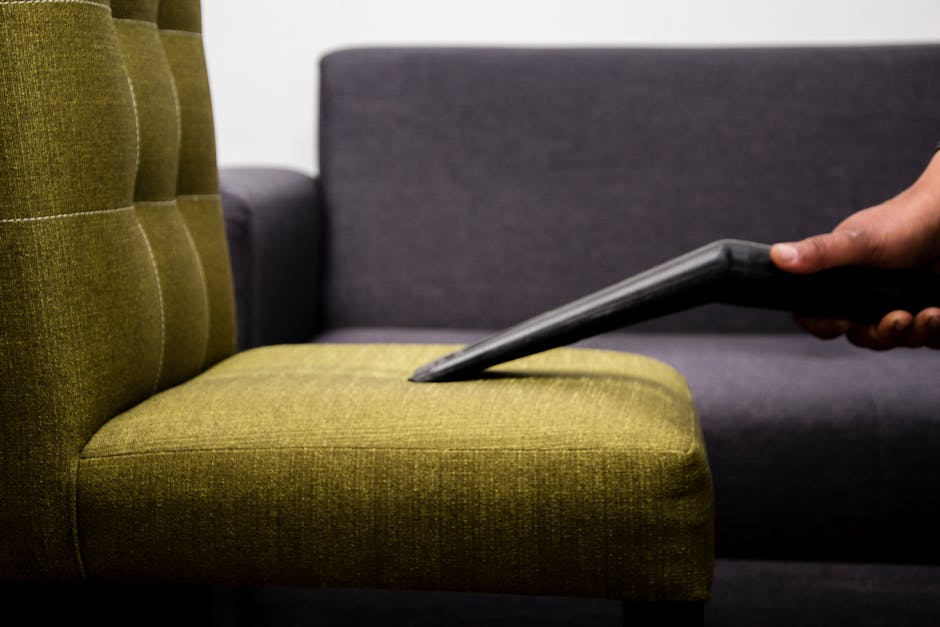
Balham High Road upholstery cleaning for busy homes
If your home feels permanently in motion, you will know how quickly sofas, armchairs and dining chairs can start to look tired. Spills happen. Crumbs collect. Pet hair settles into the fabric. And somewhere between school runs, work calls and the weekly shop, upholstery cleaning slips to the bottom of the list. That is exactly why Balham High Road upholstery cleaning for busy homes matters: it gives your furniture a proper refresh without asking you to stop life for a whole day.
In this guide, you will find a clear, practical breakdown of how upholstery cleaning works, what to expect, what to avoid, and how to decide whether a professional clean is worth it for your home. We will also look at time-saving choices, common fabric concerns, and a few straightforward tips that make a big difference in real life. Because let's face it, a clean sofa is lovely; a clean sofa that does not derail your week is even better.
Table of Contents
- Why Balham High Road upholstery cleaning for busy homes Matters
- How Balham High Road upholstery cleaning for busy homes Works
- Key Benefits and Practical Advantages
- Who This Is For and When It Makes Sense
- Step-by-Step Guidance
- Expert Tips for Better Results
- Common Mistakes to Avoid
- Tools, Resources and Recommendations
- Law, Compliance, Standards, or Best Practice
- Options, Methods, or Comparison Table
- Case Study or Real-World Example
- Practical Checklist
- Conclusion
- Frequently Asked Questions
Why Balham High Road upholstery cleaning for busy homes Matters
Busy homes take a beating. Family life, pets, guests, takeaway nights, work-from-home days, all of it leaves a mark. Upholstery is one of the first things people notice, even when they do not mean to. A sofa with dark armrests or a chair with stale odour can make an entire room feel less cared for.
There is also a practical side. Fabric furniture traps dust, skin flakes, crumbs and everyday grime in a way that a quick vacuum only partially addresses. If you have children, allergies, or simply a lot of foot traffic through the house, upholstery cleaning is not a luxury detail. It is part of keeping the home comfortable, presentable and easier to live in.
For homes near Balham High Road, there is another factor: pace. The area tends to suit people who want services that fit around work, travel and family schedules. A proper upholstery clean can often be organised with minimal disruption, which is a big part of the appeal. You do not want a drawn-out process. You want the job done well, with the least fuss possible.
Expert summary: In a busy household, upholstery cleaning is best treated as preventative care, not an emergency fix. Regular attention keeps fabrics looking fresher for longer, reduces lingering smells, and makes spill damage easier to manage before it becomes permanent.
You will also notice that freshly cleaned upholstery changes how a room feels. It smells cleaner, looks brighter, and somehow the whole house seems less chaotic. That sounds a bit dramatic, maybe, but it is true.
How Balham High Road upholstery cleaning for busy homes Works
Professional upholstery cleaning usually starts with inspection. Different fabrics need different treatment, and this is where experience matters. A good cleaner will identify the material, test a small hidden area if needed, and choose a method that suits the fabric rather than forcing one process onto everything.
Most jobs follow a similar sequence:
- Assessment: The cleaner checks the fabric type, condition, stains and any areas of heavy wear.
- Pre-treatment: Stains, marks and high-traffic spots are treated with suitable solutions.
- Deep cleaning: The upholstery is cleaned using an appropriate method such as hot water extraction, low-moisture cleaning or dry cleaning, depending on the fabric.
- Rinsing or residue removal: Any detergent or loosened soil is lifted away as far as the method allows.
- Drying advice: You are usually told how long to leave the item to dry and how to speed things up safely.
The exact method depends on the furniture. A sturdy synthetic sofa can often tolerate more intensive treatment than a delicate wool blend or a vintage armchair. That is why a fabric check is not just a box-ticking exercise; it is the thing that prevents damage. Simple, but very important.
If you are arranging help alongside other household tasks, it can be sensible to think in terms of wider home care too. Some people combine upholstery with deep cleaning or book domestic cleaning in the same period, especially before guests arrive or after a hectic few months. Others prefer a single targeted visit and keep it neat and contained. Both approaches work.
Key Benefits and Practical Advantages
The obvious benefit is that furniture looks cleaner. But the real value goes further than appearances. Upholstery cleaning for busy homes can make day-to-day life feel calmer and easier, which is no small thing when the house already feels full before breakfast.
- Better appearance: Fabrics often look dull long before they are truly worn out. Cleaning restores colour and lifts embedded grime.
- Improved freshness: Everyday smells from cooking, pets and general use can cling to soft furnishings.
- More comfortable living: Clean upholstery simply feels nicer to use. You notice it when you sit down.
- Longer furniture life: Removing dirt before it breaks down fibres can help upholstery last longer.
- Less stress around stains: It is reassuring to know that accidents are being dealt with properly, not just rubbed into the fabric with a damp cloth and hope.
- Time saved: For busy households, outsourcing the work means less scrubbing, less trial and error, and fewer half-finished DIY attempts.
There is also a subtle but meaningful benefit: it helps a home feel more under control. That may sound a little soft, but if you have ever looked at a grubby sofa at 9 pm and thought, "not tonight," you already understand the point.
People often focus on carpets and forget upholstery, yet both absorb a lot of daily life. If your home needs a broader refresh, it may be worth looking at carpet cleaning too. The room tends to read as cleaner when both surfaces are looked after together.
Who This Is For and When It Makes Sense
This kind of service suits more homes than people realise. You do not need a major stain disaster to justify it. In fact, waiting for a crisis often makes the job harder and the results less predictable.
It tends to make the most sense for:
- families with children and frequent spills
- homes with pets, especially dogs that love the sofa a bit too much
- professionals with limited time for maintenance cleaning
- shared homes where furniture is used by lots of people
- renters wanting to keep a property in good condition
- homeowners preparing for guests, events or seasonal resets
- people who notice persistent odours, dullness or spotting on fabric furniture
It also makes sense after a life change: a new baby, a pet adoption, a renovation, or simply a very full year. Homes do not stay static. Neither do upholstery needs.
If your furniture is older but still worth keeping, cleaning can be a smarter option than replacing it. A good armchair might just need proper attention, not a trip to the skip. On the other hand, if the item is fragile or badly damaged, a professional can usually tell you honestly whether cleaning is likely to help.
Step-by-Step Guidance
If you want the smoothest possible experience, it helps to know what happens before, during and after the clean. Here is the practical version, without the fluff.
1. Clear the area
Move cushions, toys, throws and anything else sitting on the furniture. This keeps the process quicker and avoids the awkward shuffle of "where does this thing go?" mid-job.
2. Identify the main problem spots
Point out stains, pet areas, odours or worn patches. The more accurate the briefing, the more targeted the treatment. Small detail, big difference.
3. Ask about fabric type
Leather, velvet, cotton blends, synthetics and wool all behave differently. If you are not sure what your upholstery is made from, say so. It is better to ask than guess and make a mess of it.
4. Confirm the cleaning method
Different methods suit different items. Hot water extraction can work well on many fabrics, while low-moisture or dry methods may be better for delicate pieces or faster turnaround. The aim is not just a clean sofa. It is a safe clean sofa.
5. Allow proper drying time
Drying is often underestimated. Open windows if advised, keep the room aired, and avoid piling cushions back on too soon. Wet fabric can look fine at first and then feel disappointingly damp later. Not ideal.
6. Maintain it afterwards
Once the upholstery is clean, regular vacuuming and quick spill response help preserve the result. That means fewer emergency wipes and fewer mysterious marks appearing after the weekend.
If you are already planning a wider home refresh, you might also consider one-off cleaning for a time-saving reset, or house cleaning if the whole property needs attention rather than one item.
Expert Tips for Better Results
There are a few things that consistently improve the outcome. None of them are complicated, which is good because busy households rarely have patience for complicated.
- Vacuum first: Loose dust and crumbs should be removed before wet or steam-based cleaning begins.
- Test hidden areas: Especially on delicate, dyed or older fabrics. One hidden patch can save a lot of regret.
- Deal with spills early: Fresh marks are usually easier to remove than old ones that have set.
- Use light, blotting pressure: Rubbing can spread the stain and roughen the fabric.
- Keep pets and children away while drying: It sounds obvious, but little hands and paws have a talent for testing boundaries.
- Ask about residue: Over-wetting or leaving cleaner behind can attract new dirt, so it is worth checking what the process involves.
A small but useful habit: photograph any pre-existing stains before the clean. Not because anyone expects drama, but because it helps you compare results fairly and keeps expectations grounded. Nice and simple.
For households that often host guests or run on a tight schedule, it can also be worth pairing upholstery care with window cleaning or rug cleaning if those surfaces are also looking a bit flat. The room tends to lift as a whole.
Common Mistakes to Avoid
Most upholstery mishaps come from rushing, guessing or using too much liquid. That is the honest truth. A little care goes a long way here.
- Using the wrong cleaner: Household products are not always upholstery-safe. Some leave marks or weaken fabric.
- Scrubbing stains aggressively: This often pushes dirt deeper and can damage the pile or weave.
- Over-wetting the fabric: Too much moisture can lead to long drying times, odours or water marks.
- Ignoring fabric instructions: If the care label says do not steam clean, there is a reason.
- Cleaning only the visible stain: Spot-only treatment can leave a halo effect, which is annoyingly common.
- Putting cushions back too early: Damp fabrics trap smell and can feel worse after a few hours, not better.
There is a funny sort of temptation to treat upholstery like a kitchen worktop. Wipe, wipe, done. But fabric is a different beast. It needs a gentler, more considered approach.
Tools, Resources and Recommendations
You do not need a garage full of kit to keep upholstery in decent shape. A few sensible tools and habits go a long way.
| Option | Best for | What to watch for |
|---|---|---|
| Vacuum with upholstery attachment | Regular maintenance and dust removal | Use gently on seams and trims |
| Microfibre cloth | Light surface wiping and blotting | Do not rub stains hard |
| Fabric-safe spot cleaner | Fresh spills and small marks | Always test in a hidden area first |
| Professional upholstery cleaning | Deep cleaning, odour removal and stubborn marks | Choose a method suited to the fabric |
If you are comparing service types, it can help to think about the broader home care picture. A specialist upholstery visit is great when the furniture is the main issue. A combined approach may suit homes that also need home cleaners or a broader cleaning company visit. That kind of joined-up planning saves time and usually feels less chaotic.
When you are asking questions before booking, useful topics include drying time, stain treatment, fabric compatibility, pet odour handling and whether moving light furniture is included. Straight questions, straightforward answers. That is what you want.
Law, Compliance, Standards, or Best Practice
For upholstery cleaning in UK homes, the key concern is not legislation in the dramatic sense, but safe, sensible practice. Reputable cleaners should follow appropriate health and safety procedures, use suitable products, and be careful around electrical items, delicate materials and any household hazards.
If a company works in your home, it is reasonable to expect clear communication about insurance, safety precautions and what happens if something goes wrong. You can also look for transparent service terms and fair complaint handling. That is just good practice, really. Nothing flashy, just solid professionalism.
If you are comparing providers, it is sensible to check pages such as insurance and safety, health and safety policy, terms and conditions, and privacy policy. Those details are not exciting, admittedly, but they tell you a lot about how carefully a business is run.
For payment and booking confidence, it is also wise to read the provider's payment and security information and check how they handle feedback via a clear complaints procedure. Busy homeowners usually want two things: minimal hassle and no unpleasant surprises. Fair enough.
Options, Methods, or Comparison Table
Not every upholstery job needs the same approach. The right method depends on fabric, soiling level, drying time available and how delicate the item is. Here is a simple comparison.
| Method | Strengths | Trade-offs | Best suited to |
|---|---|---|---|
| Hot water extraction | Deep cleans well and can remove embedded dirt | Longer drying time | Robust fabrics and heavily used sofas |
| Low-moisture cleaning | Faster drying and less water use | May be less intensive on deep-set soil | Busy homes needing quicker turnaround |
| Dry cleaning | Gentle on some delicate textiles | Not always ideal for heavy contamination | Sensitive fabrics and specialist items |
| Spot treatment only | Quick for isolated marks | Can leave visible outlines if not blended properly | Small fresh spills, not whole-furniture refreshes |
For most busy households, the best choice is the one that balances fabric safety, cleanliness and drying time. Fast is useful, but safe is non-negotiable. The smartest clean is usually the one that does not create a new problem.
Case Study or Real-World Example
Picture a typical Balham household on a Thursday evening. Two adults working full days, one child doing homework at the dining table, a dog that has claimed the corner of the sofa, and a living room that has become the main everything room. Over time, the fabric starts to look a shade darker where hands rest, and a faint smell lingers after wet weather.
The family does not need a full renovation. They just need the furniture brought back to life.
In a situation like that, the most practical solution is usually a focused upholstery clean booked at a time that suits the household, with minimal furniture moving and a clear drying plan. A cleaner checks the fabric, treats the armrests and seating areas, and works around the family's day rather than forcing them to rearrange everything. By the next day, the room feels lighter. Not brand-new, not unrealistic, just properly fresher. That matters more than people think.
What makes this kind of job work well is not magic. It is coordination, fabric knowledge and the willingness to be careful with the details. A humble clean, done properly, can make the room feel less cluttered in your head too. Strange but true.
Practical Checklist
Use this quick checklist before booking or carrying out upholstery cleaning in a busy home:
- Identify which items need cleaning most urgently
- Check fabric labels if they are available
- Note any stains, odours or wear areas
- Move small items, toys and loose cushions out of the way
- Ask what cleaning method is best for the fabric
- Confirm drying time and ventilation advice
- Decide whether you want upholstery only or a wider clean
- Read the provider's insurance, terms and payment information
- Keep children and pets away during drying
- Vacuum regularly afterwards to maintain the result
If you are trying to keep the whole home on track, it can also help to think about connected services such as sofa cleaning, cleaners, or even a cleaner for recurring support when life is especially hectic.
Conclusion
Balham High Road upholstery cleaning for busy homes is really about making everyday life easier. Clean fabric looks better, smells fresher and lasts longer, but the bigger win is simple: less mess to worry about and one less thing hanging over your week.
Whether you need a deep refresh for a family sofa, a careful clean for a favourite chair, or a sensible maintenance plan that fits around work and school, the best results usually come from careful assessment, the right method and realistic expectations. That is the sweet spot. No drama, no overcomplication.
And if your home has been running at full speed lately, that is completely normal. A proper upholstery clean can be a small reset that makes the room feel kinder to live in. Sometimes that is exactly what a busy household needs.
Get a free quote today and see how much you can save.
When the sofa finally feels fresh again, the whole house seems to breathe a little easier. Honestly, that quiet relief is worth a lot.
Frequently Asked Questions
How often should busy homes book upholstery cleaning?
It depends on use, pets, children and fabric type, but many households benefit from cleaning upholstery every 12 to 24 months. High-use furniture may need attention sooner.
Is upholstery cleaning safe for delicate fabrics?
It can be, provided the cleaner checks the fabric type and uses the right method. Delicate materials need more care than everyday synthetic covers, so testing matters.
How long does upholstery take to dry?
Drying time varies by method, fabric and room ventilation. Low-moisture methods usually dry faster, while deeper cleaning can take longer. It is best to follow the cleaner's advice and avoid using the furniture too soon.
Can upholstery cleaning remove pet smells?
It can reduce many common odours, especially when the smell is embedded in the fabric rather than caused by structural damage. Strong or long-standing odours may need more targeted treatment.
Will cleaning remove every stain?
Not always. Fresh stains are usually more responsive than old ones, and some substances permanently affect fibres or dyes. A good cleaner should give you a realistic view, not a fantasy.
Should I vacuum upholstery before the cleaner arrives?
Yes, if you can. Removing loose dust, crumbs and pet hair helps the cleaning process start from a better base and can improve the final result.
Is it worth cleaning an older sofa?
Often, yes. If the sofa is structurally sound, a clean can make it look and feel much better at a lower cost than replacement. If the frame or fabric is badly damaged, the cleaner should tell you honestly.
Can upholstery cleaning be done alongside other home cleaning tasks?
Absolutely. Many busy households prefer to combine it with broader services such as carpet, domestic or one-off cleaning so the whole home gets a coordinated refresh.
How do I know which cleaning method is right?
The safest approach is to ask the cleaner to assess the fabric, explain the method and confirm any risks. Fabric type, stain type and drying time all influence the choice.
What should I do after the upholstery has been cleaned?
Leave it to dry fully, ventilate the room if advised, and keep pets and children off the furniture for a while. After that, regular vacuuming and quick spill response help preserve the result.
Do I need to book a whole-house clean to get my upholstery cleaned?
No, not necessarily. Many people book upholstery cleaning on its own because that is the main issue. If other surfaces need attention too, a wider clean can be more efficient.
Where can I learn more about the company and its policies?
You can review the company's about us page, along with its information on recycling and sustainability and contact details if you want to ask specific questions before booking.